
Getting Married in Crete – One Island, Many Possibilities
Crete can be many things. A ceremony by the sea, dinner among the olive trees, or an entire wedding weekend at a private villa. Yet not everything that looks dreamlike in photographs works as beautifully in reality – which is exactly why the island deserves a closer look.
by Lena Engel
Destination Wedding Planner in Greece
Published on
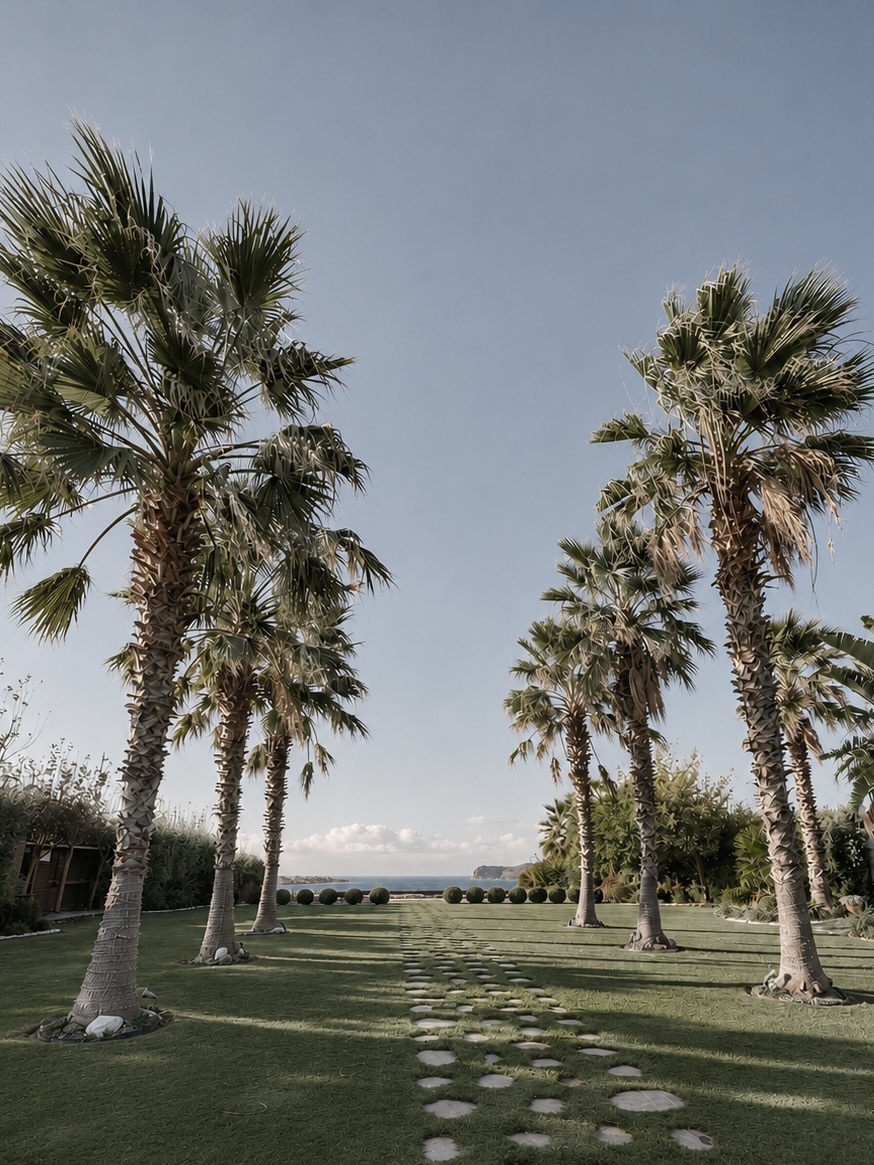
Crete is the largest Greek island, and it is anything but uniform. Between Chania in the west and Sitia in the east, the landscape changes considerably: Venetian old towns, long sandy beaches, olive groves, vineyards, mountain villages and stretches of coastline that reveal themselves only when you look a little further.
For couples planning a wedding abroad, that variety is exactly what makes it so appealing. Crete does not belong to one particular wedding style. A celebration at a contemporary seaside hotel feels very different from dinner at a restored country estate among olive trees, yet both are possible on the same island.
I plan weddings throughout Greece, and Crete is one of the places where that variety shows most clearly. In this article, I share what makes the island special, which region suits which kind of wedding and what is worth thinking about from the very beginning.
Why Crete is an interesting destination for weddings
Its size is what makes Crete so versatile. The coastline is long, the beaches are many, and the historic towns still show traces of their Venetian and Ottoman past. Inland, you find traditional mountain villages, olive groves, vineyards and country estates; along the sea, elegant hotels and resorts, private villas and boutique stays. In the south especially, much of the island has kept a more unspoilt character than the north.
There is no single Cretan wedding aesthetic. A modern seaside hotel, a restored inland estate and a taverna overlooking a bay have very little in common, and each offers a worthwhile setting in its own right.
I particularly love visiting traditional Cretan properties and farm estates. Some have been run by the same family for generations, others are carefully restored historic buildings, and others still are professionally managed hotels. Smaller, family-run places often have a charm of their own, precisely because they do not look like a conventional wedding venue.
When I visit a venue, I talk to the owners and the people running it, and I like to hear the story behind the place. I am interested not only in how beautiful it looks, but in how it is run, what the atmosphere feels like and whether working together would suit what a couple has in mind. That often tells you more about a venue than any photograph.
Which part of Crete suits your wedding?
Chania and the surrounding area
Chania is often the first place couples associate with Crete: its Venetian old town and harbour, small boutique properties, and a surrounding landscape of country estates and villas. Town, countryside and coast sit close together here. If you would like a quiet setting for the wedding and somewhere to wander in the evening, this area offers a useful combination. Chania Airport is usually the most practical arrival point.
Kissamos, Falassarna and the far west
The far west has striking coastal scenery: Falassarna, the Balos lagoon and Elafonissi. Those names often bring a beach ceremony to mind. These beaches, however, are public places and popular day-trip destinations, not venues you can simply book. Whether a ceremony or celebration is possible there has to be checked case by case. For a few holiday days before or after the wedding, though, the area is wonderful. Just allow realistic travel times: reaching the far west from Chania is quite a drive.
Rethymno and the surrounding area
Rethymno lies between Chania and Heraklion, with a historic old town, traditional villages and olive groves nearby. Here, I often come across charming estates, farm properties and private villas between the coast and countryside. Depending on the exact venue location, either Chania or Heraklion Airport may be suitable. Both can work, but the journeys should be compared before you decide.
Heraklion and central Crete
Around Heraklion there is a wide choice of wineries, traditional estates and rural wedding venues. The region has well-developed infrastructure and is particularly easy to reach thanks to its international airport. That also makes it an interesting choice for weddings with guests arriving from several countries.
Agios Nikolaos, Elounda and the east
Eastern Crete is known for elegant resorts, boutique hotels, bays and sea views. Couples who want to combine their wedding with a beautiful hotel stay often look in this direction. Most guests fly into Heraklion, and for smaller celebrations there are plenty of comfortable, easily reached places to stay.
The south coast
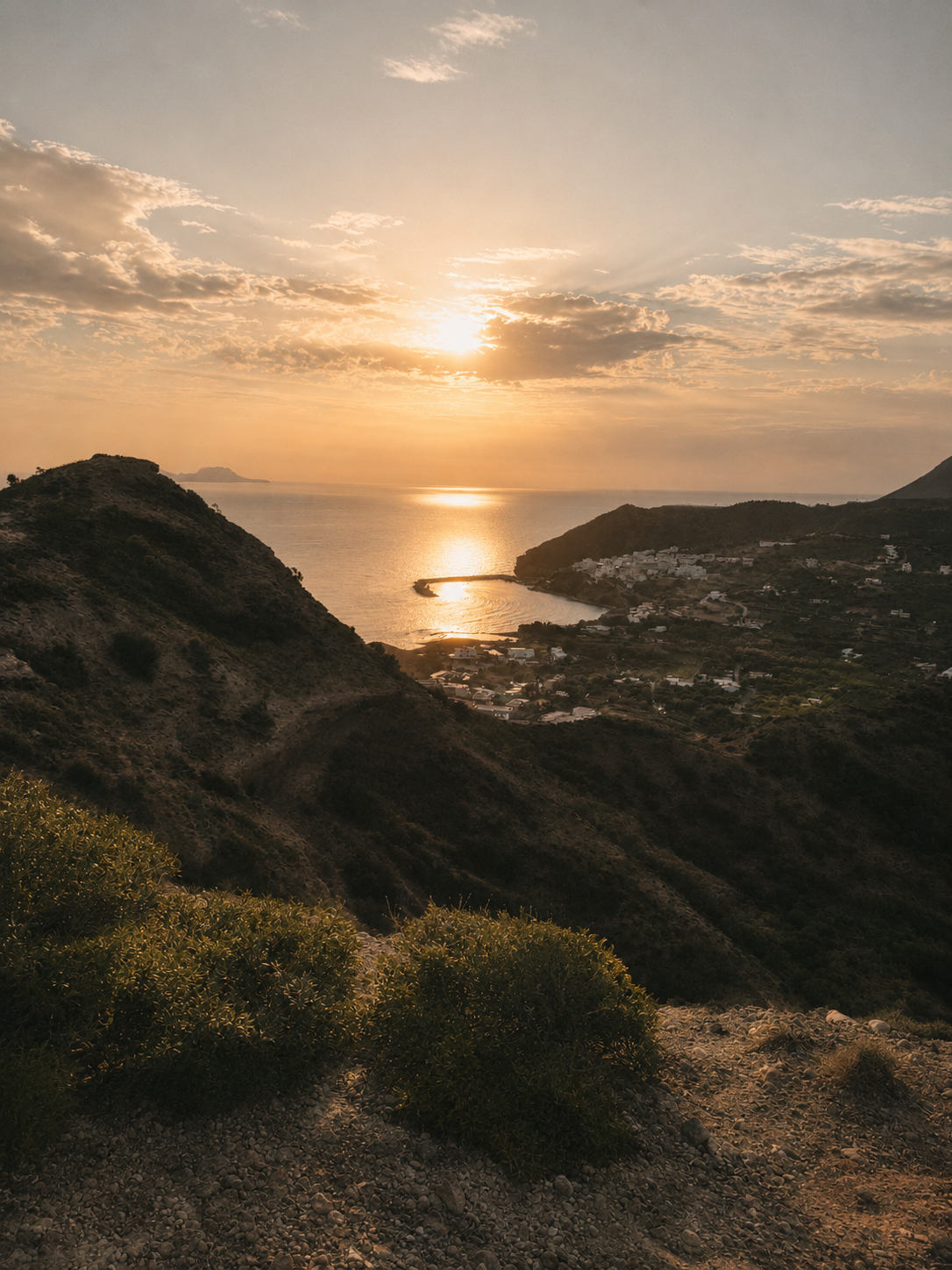
Parts of the south coast are considerably less developed for tourism than the north, with a more rugged landscape, mountains, small coastal towns and quieter bays. That can make it interesting for intimate weddings and elopements. There are also well-known, busy destinations here, so the south should not be assumed to be deserted. Journeys can take longer than the distances on a map suggest.
What kinds of wedding venues are available?
The typical settings for a wedding in Crete broadly include:
- traditional country estates and farm properties
- restored historic estates
- private villas with sea views or countryside settings
- boutique hotels
- elegant beachfront resorts
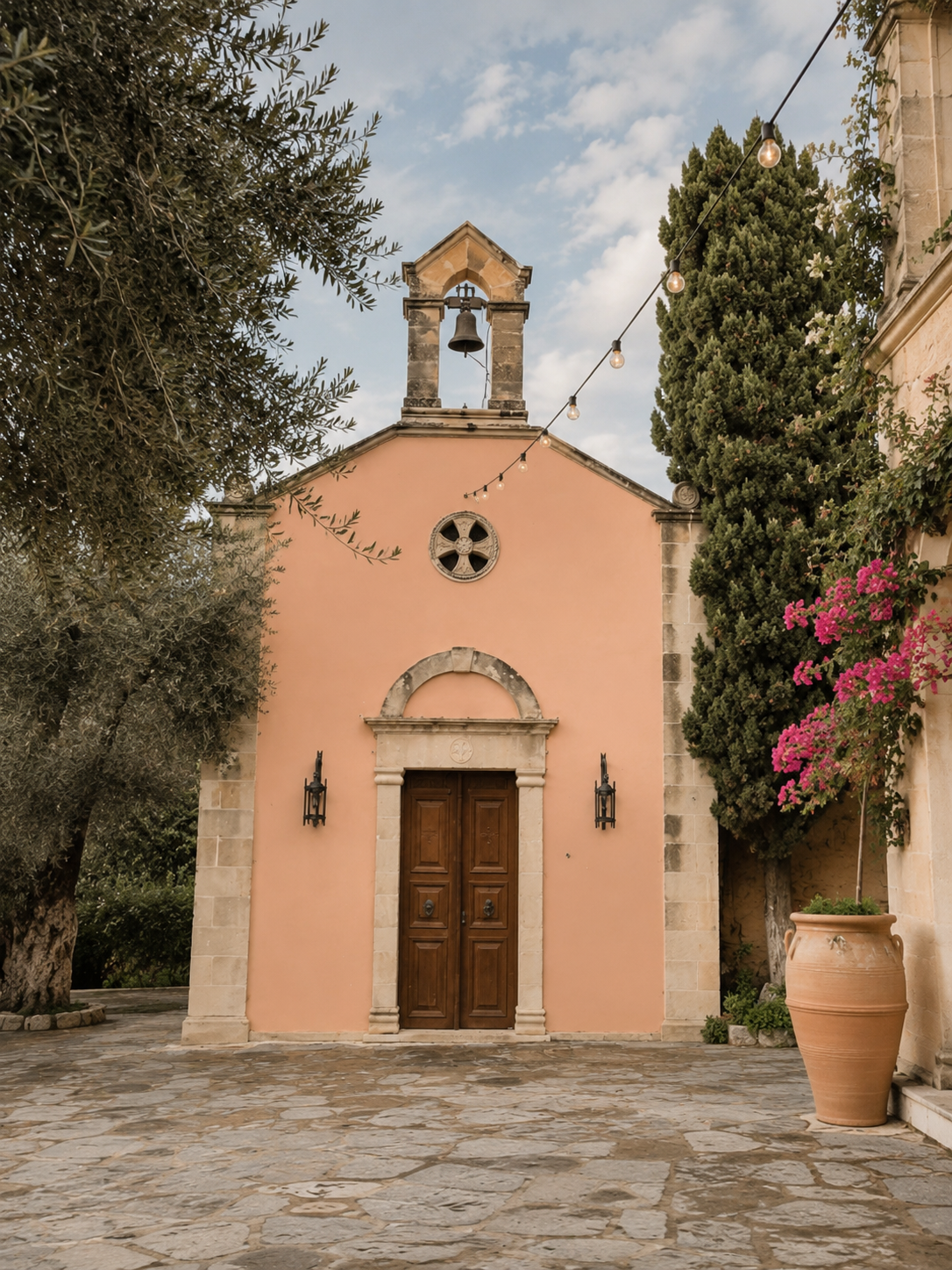
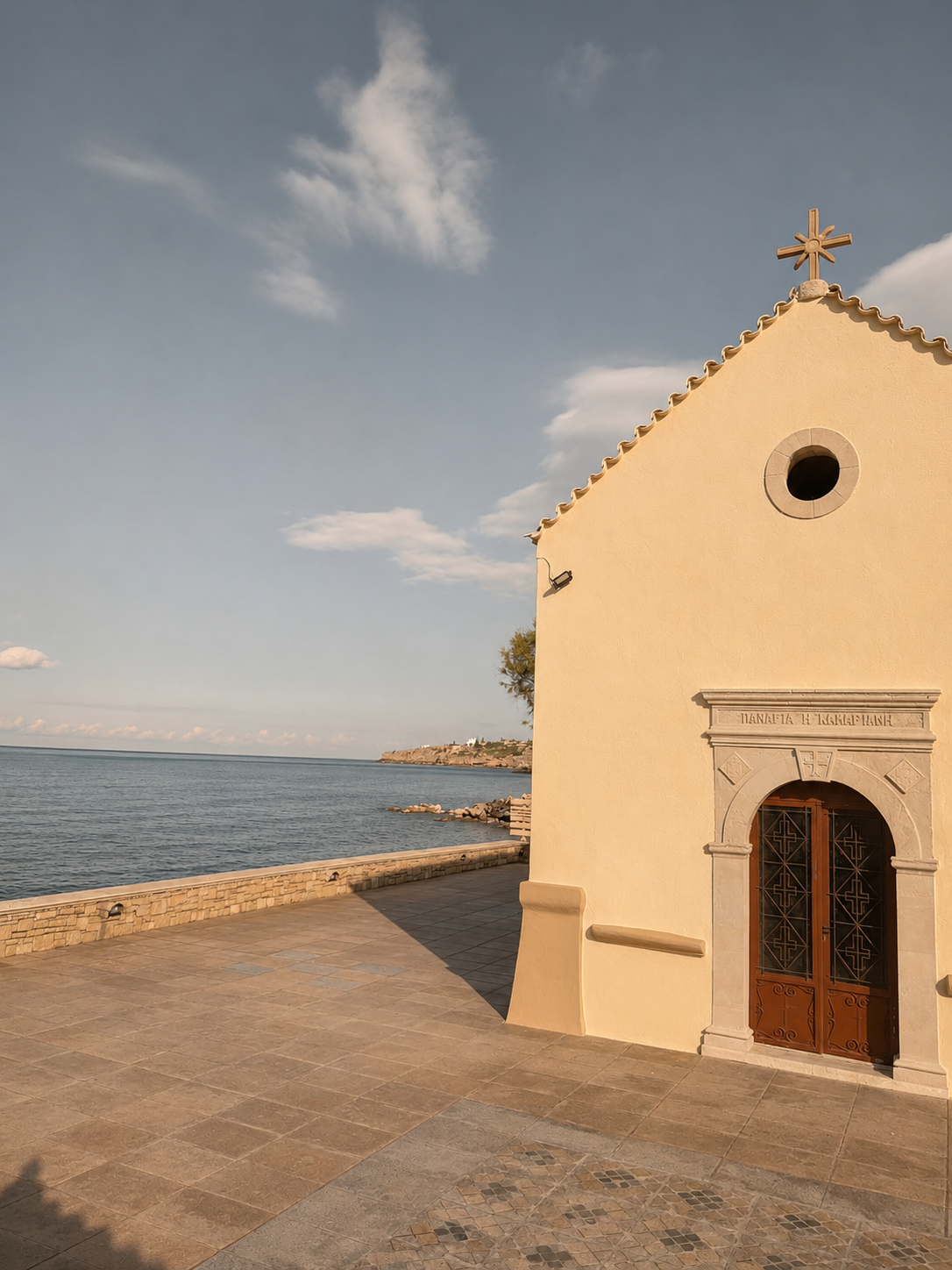
- small chapels and distinctive ceremony locations
- tavernas and restaurants with a character of their own
The right venue can rarely be chosen from a general list of favourites. Beyond the atmosphere, the number of guests, the flow of the day and, not least, the people behind a place all play a part. That is why, for me, every search begins with what the couple has in mind.
A significant advantage: professional suppliers based on Crete
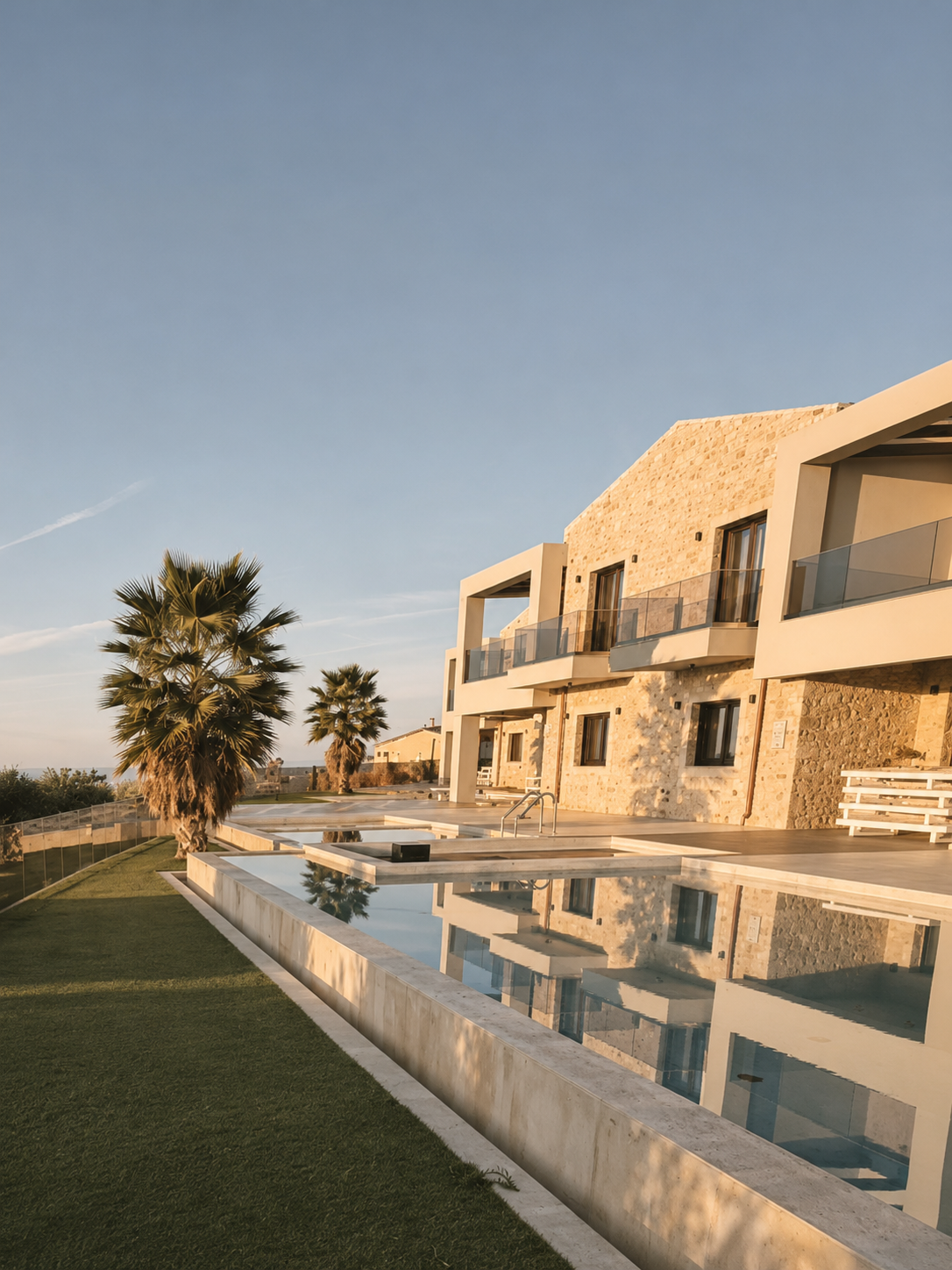
This is something couples often underestimate when choosing a destination. Crete has well-developed wedding and event infrastructure. Around Chania, Rethymno and Heraklion in particular, there is a wide choice of professional wedding suppliers, so many services can be arranged directly on the island: photography and film, floristry, hair and make-up, catering, bakeries and wedding cakes, DJs and live music, event production, furniture hire and equipment, alongside other specialist wedding suppliers.
That is not something to take for granted. On some smaller Cycladic islands, suppliers, equipment, furniture or specialist materials need to travel from Athens or another island. Transport, ferries, flights, accommodation and travel days then become part of the budget. In Crete, it is often possible to put together a high-quality team locally.
That does not automatically make Crete less expensive, and for particular wishes it can still make sense to bring in suppliers from elsewhere. The real advantage is the choice available and the reduced logistics. I look at the overall cost in detail in my article on the cost of a wedding in Greece.

Beach weddings and elopements: how private can a ceremony be?
Many couples imagine exchanging vows by the sea, sometimes with just the two of them in a small bay. Crete has beautiful coastlines, but that picture is not realistic at every beach.
Along parts of the developed north coast, long sandy beaches sit beside numerous hotels, restaurants and visitors. Around popular holiday areas in particular, beaches can be extensive and publicly accessible. That is useful for holidays, guest accommodation and infrastructure. It is not always ideal for an entirely undisturbed ceremony. In the south, smaller bays and more remote stretches of coast can offer possibilities for intimate ceremonies.
In practice, that means:
- A publicly accessible beach is not automatically private.
- Complete seclusion cannot be guaranteed on an open beach.
- Not every beach can be used freely for a legally recognised wedding or an organised event.
- Legal and practical requirements must be checked individually.
Suitable hotels, private event spaces or carefully chosen ceremony locations can still create a setting that feels very private. There are many beautiful possibilities – it is simply a matter of knowing where to look.
When is the best time for a wedding in Crete?
Crete's warm season is long – one of the island's practical advantages, though of course it is no guarantee of perfect weather.
May and June
Temperatures are often pleasant, before the most intense summer heat arrives everywhere. These can be very good conditions for outdoor weddings.
July and August
The main summer months bring high temperatures and, in some places, considerable tourist activity. Heat, shade and the time of day should be considered from the outset when planning an outdoor ceremony.
September and October
Often still warm and more comfortable than midsummer, these are appealing months for weddings. Weather becomes less predictable later in October.
November
During my stay in November 2026, we still had temperatures of 20 to 26 °C on some days. That is no promise for other years, of course – but it shows how mild autumn in Crete can sometimes be. On average, November brings noticeably more rain, and some seasonal venues and suppliers have already closed. For smaller, flexible wedding concepts, the month can still be worth considering.
December
Crete can have sunny, mild days in December as well. On average, however, the month is cooler and considerably wetter than the main season. Smaller celebrations, lovely indoor spaces and a dependable bad-weather plan suit it best. Some suppliers offer lower off-season rates; others are closed.
Taking wind and weather seriously
Wind is a factor worth taking seriously for a wedding in Crete. It can be very windy here too, and conditions vary considerably depending on the region, the season and the exact position of a venue. On exposed coastlines especially, wind and local weather can have a real impact on an outdoor ceremony, flowers, table settings or dinner under the open sky.
So it is not the choice of island alone that determines the wind, but above all the precise location of a venue: are its outdoor spaces sheltered or open to the sea, and where can you move if the wind picks up?
Travel and accommodation for your guests
Crete is comparatively accessible for international guests, particularly through Chania and Heraklion airports. The most suitable airport depends on the wedding region: Chania is often more practical for the far west, Heraklion usually works better for Elounda and Agios Nikolaos, and either may be an option around Rethymno, depending on the venue.
Despite its accessibility, Crete remains a large island. Journeys south or to remote locations often take much longer than a map suggests because of the roads and mountains. Transfers and guest accommodation deserve attention early in the planning.
Hotels and estates where a substantial part of the wedding party can stay together can be a practical advantage. Room allocations, booking conditions and any buyout costs should then be clarified before committing.
International and civil weddings
Crete has welcomed international visitors for many years. Many hotels, suppliers and tourism-oriented areas have experience with weddings for couples from abroad, which can help with coordination.
Depending on your circumstances, symbolic ceremonies, religious weddings and civil weddings may be possible. Some municipalities in Crete are already familiar with the procedures for international civil weddings, which can make communication and scheduling more straightforward.
It is best not to generalise: civil registry offices in Crete are not necessarily easier to work with than elsewhere in Greece, and legally recognised beach weddings are not permitted everywhere. The documents required, approved ceremony locations and appointment procedures depend on the municipality and your own circumstances – which is why I like to clarify them early.
Combining your wedding with a holiday
Most guests travel for several days for a destination wedding anyway – and in Crete, it is easy to turn that into a proper journey. A few ways it might look:
A couple might celebrate in the Chania area, wander through the Venetian old town with their guests before the wedding, and then spend a few extra days in the west. Kissamos makes a relaxed base for discovering Falassarna and its sunsets, or the landscape around Balos and Elafonissi – unhurried, once the bustle of the wedding weekend is over.
Others head for the south coast after the celebration. Much of the landscape there is more unspoilt, the villages are smaller, and a few quiet days feel quite different from the more developed north. For many couples, this is when the wedding can truly sink in.
And sometimes the loveliest moments are shared with guests: a relaxed welcome dinner at a traditional taverna, a wine tasting at a vineyard or an evening of Cretan cooking, good olive oil and local produce. These moments can be just as special as the most elaborate celebration – and sometimes it is the least planned one that stays with you.
What really matters when choosing a venue
Whether a venue looks beautiful in photographs is only the beginning. First, I check whether weddings are permitted there at all and how private the ceremony area really is – a place can be stunning and still not be approved for a celebration with guests.
The flow of the day matters just as much: until what time can music be played, can the venue host a seated dinner for the planned number of guests, and is there suitable catering infrastructure? Then there is the question of whether furniture and equipment are available, how easily guests and suppliers can reach the venue and whether accommodation is nearby.
Finally: what would a workable bad-weather alternative look like, and what additional costs could arise? None of this sounds exciting, but it decides whether a concept can actually work there. Much of it only becomes clear during a visit in person or in conversation – not on a website.
Crete could be right for you if …
Crete offers a wide range of possibilities, from an intimate ceremony in a small bay to a wedding weekend with guests arriving from several countries. The most suitable region and setting depend on how you imagine your wedding and what matters to you along the way.
I plan weddings throughout Greece and regularly spend time in Crete visiting venues and speaking with suppliers. If you would like to know whether Crete suits your plans, write to me, or first explore my services and my page on weddings in Greece.
Frequently asked questions
Is Crete less expensive than other Greek wedding destinations?
Not necessarily. Its advantages are the wide choice of local suppliers and the fact that transport costs for teams and materials can often be avoided. The overall cost depends primarily on the venue, guest numbers and wedding concept.
Can you get married on a beach in Crete?
Not automatically. A public beach is not private, and not every beach is approved for a legally recognised ceremony or an organised event. Requirements must be checked for the specific location. Hotels, private event spaces or selected ceremony sites can often offer a very private atmosphere.
When is the best time for a wedding in Crete?
May and June, along with September and October, are particularly lovely for outdoor weddings. July and August are hot and busy with tourism. November and December can have mild, sunny days, but they are wetter and some seasonal suppliers are closed. Wind depends above all on the exact position of the venue.
What is the best way to travel to a wedding in Crete?
Usually through Chania or Heraklion airports. The better choice depends on the venue's region. Crete is a large island, so journey times, particularly to the south, need to be planned realistically.